
Just In Case – A series about being prepared Part 2. The Plan & Backing It Up
Introduction
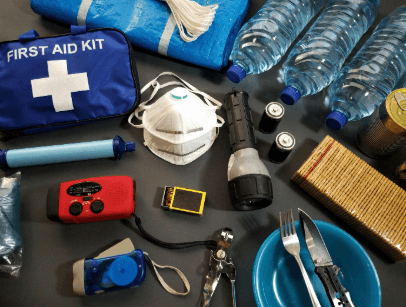
This is part 2 of a 3-part series of articles on being prepared for an emergency- like an extended power outage. So much of our daily life requires electricity, it’s hard to imagine life without it. I started to imagine it and that’s how I fell down the rabbit hole of being prepared.
I’m a sensible woman who doesn’t accept conspiracy theories, and I’m not the only one talking about this issue. Lots of people have concerns over recent tech-related events and increasing incidents of climate catastrophes. Did you know that about 80% of power outages in the US are climate related?
There were major power outages in Spain and Portugal last year that exposed aging infrastructure problems, and though it was eventually ruled mechanical failure, some experts considered it might have been a cyberattack. Who knows what happened, but it wasn’t the only curious occurrence.
According to an article in Unsustainable Magazine*, there was another power issue in France. The author reports, “Solar output also mysteriously dropped from 18,000 megawatts to 8,000 megawatts despite no change in weather.” From what I researched, this is a significant decrease in energy output, and though we know weather can cause outages, it’s a red flag when experts use the word “mysteriously”.
The truth is, most of us are very dependent on electricity, and to be disconnected from the rest of the world for any significant length of time would be wayyy beyond an inconvenience. Think about all the ways we use electric to power our lives.
Being prepared for any emergency is never a bad idea. We pay car insurance but hope we never need it, so making plans and putting supplies aside now for an unexpected crisis is a good idea, Just in Case.
Simple things to do now
In Part 1 about "Ham" Radio, we learned that this type of radio doesn’t need electric to work; it runs on generators or batteries. We know it’s easy and inexpensive to get a licence, and there are budget-friendly devices in the market. In Part 2, let’s talk about things we can do today that are easy and cheap. We’ll need a 16 GB or 32 GB flash/thumb drive for digital storage of your important documents, some patience and some dedicated time to organise.
What’s the Plan?
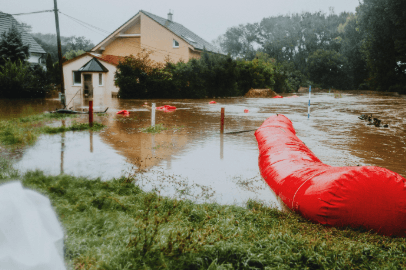
Make a plan. This is the most important step in securing your safety during an emergency.
Speak with those around you and lay out exactly what you’ll do. Write it down like a school lesson. Discuss where you will meet if you get separated. Assign individual roles to household members and work with your neighbours if possible. An example might be like this:
- This person is responsible for getting transportation ready and packing the car
- That person is responsible for grabbing the “go” bag, and putting the cat in her carrier, and making sure everyone is out
- That one is responsible for securing the property (locking up, lights, cut-off valves)
- That person over there is responsible for communications (calling the authorities, using the ham radio, running for help)
We tend to panic during an emergency, so review your plans every couple of months until it becomes second nature.
Think about it like this – have you ever seen the fire service run into a burning building? Probably not because when we panic, we don’t think clearly. So, they practice the drill regularly to ensure everyone knows the plan and performs their assigned role properly. Practice drills should be a household routine.
You don’t think of water until your house is on fire.
-Cixin Liu
Backing Up Your Life
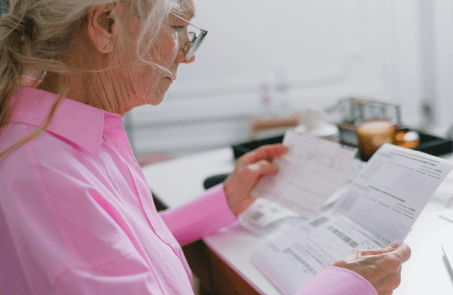
Another thing you can do now is a complete back up of your important documents and treasured photos. Use a flash/thumb drive, it’s super small and holds a lot of info. You can toss it into the waterproof bag you’ll use for printed documents. Don’t forget to set a reminder to update the backup once every 6 months.
You may need to scan some items, but here’s what you should backup if possible:
- Prescriptions and medical records, including those for any pets
- Important papers
- Insurance policies & cards
- Titles and deeds, birth, death, marriage certificates, divorce papers, mortgage papers
- Military records, government IDs, driver’s license, passports
- Pension records including State Pension and Social Security (you can download them from the government websites)
- Your will and medical directive
- List of your contacts with address, phone numbers, emails
- Any records of money owed to you
- Tax returns for 3 years
- Three months of bank statements (all accounts)
- Your most treasured photos. (don’t waste backup space on bad images)
- Recent photos of household members (full face and body is best)
It’s a smart idea to print copies of documents that can’t be replaced or that are essential for you to get your life back on track. Use a large, zippered sandwich-type plastic bag. Your flash/thumb drive should go inside the bag as well.
Put the sandwich bag inside the “go” bag (a hold-all or duffel bag is easier to manage). Leave it near the most likely exit you would use and think about putting a bright coloured ribbon around the straps to mark it as the “go” bag. Everyone should know where it is and it shouldn’t be disturbed.
Nobody wants an event that turns our lives upside down, but if something were to happen, I might need to prove my identity, prove any legal and financial matters, and prove that I had a life before a potential Just in Case.
Be sure to download our Just in Case handbook. It's informational and has check lists to help you organise!
Additional Reading
Great article by Unsustainable Magazine
Just in Case - Part 1 "Ham" Radio doesn't need electricity
**https://thecronenetwork.org/blog/amateur--ham--radio---just-in-case
Just in Case - Part 3 Basic needs, the "Go Bag", Self defence, and staying where you are
>>>>>
Just in Case Handbook
>>>>>
Disclaimer: This article is for informational purposes only and does not constitute legal, medical, financial, or professional advice. Use of this information is solely your responsibility.
Copyright @ 2026 TheCroneNetwork All rights reserved.