
Just in Case - A series about being prepared Part 3 - Safety and Security
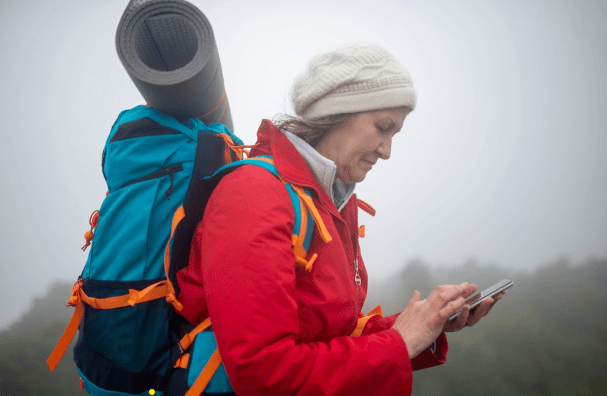
We have reviewed the benefits of ham radio, how to create an escape plan for your household, and what documents to print and backup that could help you get your life back after a major crisis. In part 3, we close the series with 4 important pieces of emergency plan: our basic needs, what to put in the “Go Bag”, self-defence, and things you can do if you’re staying where you are during an emergency.
The first things we need to think about collecting are food, water, shelter, heat, and health. Here’s a list that experts consider essential to managing an emergency that cuts off power for a prolonged length of time.
Take care of the basics first – Food, Water, Shelter, Heat, and Health
- Water purifying tablets, a water purifying filter, or a way to boil water
- Canned food, rice, beans, and a manual can opener, freeze dried foods
- Batteries, solar powered lights, camp lite, flood lights
Hand-crank or solar radio for updates and extra batteries - 3 months of prescription drugs, a good first aid kit, Neosporin cream
- Wool blankets, wool jumpers/sweaters, clothes for laying
Tarps, tents, rope. Practice building a shelter - Toilet paper, hand sanitiser, baby wipes, soap, hand towels, garbage bags, zip-lock bags
- A multi-knife (like Swiss Army knife), paper map of the local area, waterproof matches, lighters, handheld compass (practice reading)
- Small amount of cash, important documents including insurance papers, deed, IDs, a printed contact list of friends and family with physical addresses
- A way to make fire. This can be a piece of flint, waterproof matches, etc. Practice using the method you choose. We dropped a link about starting a fire in “additional reading” below
- Camping equipment is always useful (tent, sleeping bags, lamp, stove
In addition to making an escape plan, try to be efficient with what you take. If it isn’t essential, consider leaving it behind. Some experts recommend at least 1 gallon of water per person per day which is too much to lug around. Is there a place you can store extra water outside your home?
The "Go Bag"
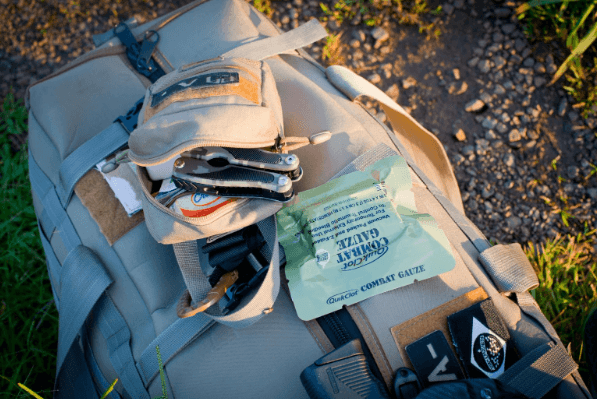
A “go bag” is a prepacked duffel, hold-all, or backpack that sits near an exit door in your home. This type of travel bag is much easier to manage than a suitcase, and they can hold most of what you’ll need in case of emergency. It should remain packed and in the same place so you can grab and go if you need to evacuate your home.
If possible, each household member should have a “go bag”. Of course, not everyone will be able to carry all these items.
- Water – at least 3 gallons or 12 litres
- Non-perishable food like granola bars
- Flashlight/torch with extra batteries
- A first-aid kit
- Prescription medications
- Change of clothes – for layering, sturdy shoes, raincoat, hat with brim for rain or sun
- Important documents and backup
- A tarp and a good length of rope
- A multi-function knife (like Swiss Army knife)
- A loud whistle
- Pet food (as needed)
- Water purifying tablets
- Toothbrush and paste
- Disinfecting wipes
- Hand-crank radio
- Warm blanket
- Waterproof matches
- Pens and small notebook

Staying in your home
Your escape plan will change to a protection plan if you are staying in your home in cases of emergency. There are things you should consider doing now as part of your household disaster plan.
Know your home inside and out -
- Where are the utility shut-off values?
- Take time to secure all entry points. Replace loose windows and doors. Do locks need replacing? Don’t forget to check the basement which is an easy access point for intruders.
- What furniture can be moved to block entryways?
- Where is the safest place in your home? If you have a secured basement, that is the best place to be.
- NEVER turn your lights on or use a flashlight at night when you hear noises. They don’t know your home, that gives you a huge advantage.
- A heavy tool can be used for self-defence. Keep one hidden in every room.
If you are not at home in cases of emergency, look closely at your surroundings. Where are the exits and entries? Where are the hiding places? What can be used for defence? Where's the best place to start a fire to stay warm? Is there a fresh water source?
Wherever you may find yourself when the shit hits the fan, it's always best to surveil the area for things that can give you any advantage.
Self-defence
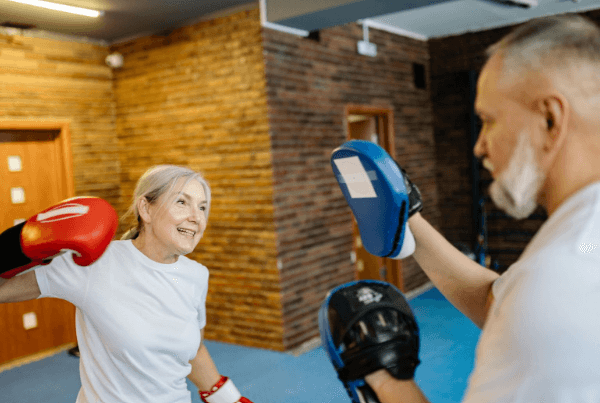
One of the simplest things we can do to defend ourselves is to always be aware of our surroundings. Listen to your instincts and if something feels wrong, it probably is. Being aware of what’s around you is especially important if you are disabled, but it’s just being “street smart” to always pay attention.
- Take an in-person class
Listed on most community pages and often at no charge - Search for specialised lessons if you have a disability
- Watch and practice with You Tube videos on self-protection
- Lift weights to keep muscles strong. Use milk cartons or cans as resistance. Stretchy bands are inexpensive & effective
- Note things you can use as a defensive weapon
- Buy tools like pepper spray, body alarms, or a loud whistle
- Wear rings that could hurt someone if needed
- The best places to hit an attacker are: **^
The throat, the eyes, the groin, the nose, a punch to the ear, with the last resorts being the knees, feet, and shins
For women with disabilities, there are adaptive martial arts, self-defence, and other helpful techniques and tools available to you ***
As women, we should know some basic self-defence techniques to defend ourselves against an attack. Being aware of our surroundings and having the skills needed to protect ourselves is a common-sense approach to staying safe.
To end the Just in Case series of articles on how to prepare for emergencies, the reader should know that we started with a small question, “what if the power went down and my phone died”, and ended with a full-blown guide on preparing for an emergency.
It was never intended to morph into this robust informational piece, especially one produced by an organisation that serves older women. But as wise women we know to trust our instincts and know how to read the room. We also know that taking steps to ensure the best outcome for ourselves and our loved ones is a smart, proactive way to approach a Just in Case emergency.
Additional reading
Self Defence** https://www.defenderring.com/en-gb/blogs/news/9-vulnerable-areas-of-a-predator-to-target-if-youre-attacked
Self Defence for People with Disabilities*** https://shogunelite.com/self-defense-for-people-with-disabilities-tools-training-and-safety-tips/
35+ point check list for evacuating
https://www.westfraser.com/sites/default/files/2025-04/Wildfire-%20Evacuation.pdf
How to start a fire without matches or a lighter
Ham Radio… Just in Case series
https://thecronenetwork.org/blog/amateur--ham--radio---just-in-case
^We do not promote violence of any kind, but we do promote women who need to fight when they feel their lives are in danger.. because they probably are.
Disclaimer: This article is for informational purposes only and does not constitute legal, medical, financial, or professional advice. Use of this information is solely the responsibility of the reader.
Copyright @ 2026 TheCroneNetwork All rights reserved.